DENTAL TRAUMA
Dental Trauma:
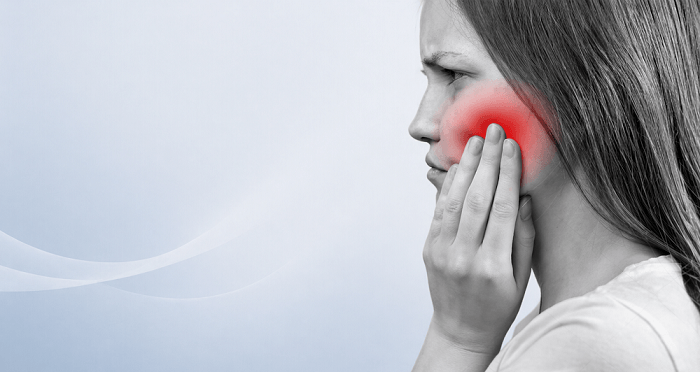
Dental trauma refers to any injury affecting the teeth, gums, lips, or jaw. It can range from minor chips to complete tooth loss and requires prompt attention to prevent long-term complications.
Common Causes of Dental Trauma:
Dental injuries can occur in everyday situations, including:
- Sports-related injuries (football, cycling, martial arts)
- Falls or accidents
- Road traffic collisions
- Physical altercations
- Biting hard objects
Children and athletes are at higher risk, but dental trauma can affect anyone.
Types of Dental Trauma:
Understanding the type of injury helps determine the right treatment:
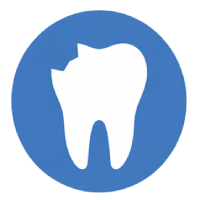
Chipped or Fractured Tooth
- Minor cracks or broken pieces of the tooth
- May or may not cause pain
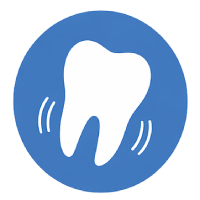
Luxation (Dislodged Tooth)
- Tooth is loose or moved from its original position
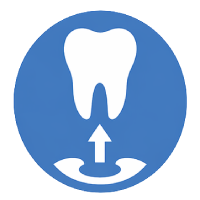
Avulsion (Knocked-Out Tooth)
- Tooth is completely removed from the socket
- Considered a dental emergency
Root Fracture
- Damage occurs below the gum line
- Often not visible immediately

Soft Tissue Injuries
- Cuts or bruises on lips, cheeks, or gums
- Symptoms
- Treatment Options
- Complications if Left Untreated
- Prevention Tips
Symptoms
Seek immediate care if you notice:
- Tooth pain or sensitivity
- Swelling in gums or face
- Bleeding
- Loose or missing tooth
- Difficulty chewing
- Discoloration of the tooth
Treatment Options
Treatment depends on the severity of the injury:
- Dental bonding or fillings for minor chips
- Root canal treatment for nerve damage
- Splinting for loose teeth
- Reimplantation for avulsed teeth
- Crowns or veneers for restoration
- Extraction and implants in severe cases
Complications if Left Untreated
Ignoring dental trauma can lead to:
- Infection or abscess
- Permanent tooth loss
- Misalignment of teeth
- Bone damage
- Chronic pain
Prevention Tips
Reduce the risk of dental injuries:
- Wear mouthguards during sports
- Avoid chewing hard objects (ice, pens)
- Use seat belts in vehicles
- Ensure childproofing at home
- Maintain regular dental check-ups
When to See a Dentist:
You should seek immediate dental care if:
- A tooth is knocked out or loose
- There is severe pain or swelling
- Bleeding does not stop
- You notice changes in tooth color